Love this? Save it for later!
Share the inspiration with your friends
Introduction
“You ever had one of those dinners where everything’s cooked perfectly but yawn—something’s just missing?” That was me last Thursday evening. I had just whipped up a simple chicken and rice dish, thinking it would be the perfect weeknight meal. But honestly, the first bite was a total letdown. Bland, flat, and frankly, a bit embarrassing. I was ready to toss it out when my neighbor, Tom—the guy who’s usually tweaking his barbecue sauce to perfection—popped by unannounced. He glanced at my plate, gave a knowing smile, and said, “You just need a quick seasoning fix.”
What followed was a mini masterclass in salvaging bland food with simple, speedy seasoning tricks. No fancy ingredients, no complicated steps—just a few pantry staples and a dash of kitchen magic. I scribbled down his tips on a scrap of paper (which I promptly lost and found under the couch a day later). Since then, these quick seasoning fixes have saved me from more flavor disasters than I care to admit. I mean, maybe you’ve been there too—scrambling to rescue a meal before everyone loses interest.
Let me tell you, these easy seasoning tweaks don’t just mask blandness; they bring dishes back to life with bold, comforting flavors. Whether your pasta is too plain or your veggies need a punch, you’ll want these tricks in your back pocket. So, stick around—I’m sharing the best quick seasoning fixes that will turn your bland food into something you’ll actually look forward to eating.
Why You’ll Love This Recipe
After trying countless seasoning combos, these quick fixes stood out because they’re practical, fast, and incredibly effective. I’ve tested them on everything from leftover rice to steamed veggies, and the results? Always better than expected. Here’s why you’re going to want to keep these seasoning ideas handy:
- Quick & Easy: Takes under 5 minutes to transform your dish, ideal for last-minute flavor rescues.
- Simple Ingredients: Uses pantry staples like garlic powder, soy sauce, or lemon juice—no special trips needed.
- Perfect for Any Meal: Whether it’s breakfast, lunch, or dinner, these fixes add that punch your food’s been missing.
- Crowd-Pleaser: Family and friends will notice the difference and keep asking for your secret.
- Unbelievably Delicious: Balances saltiness, acidity, and umami to make flavors pop without overwhelming.
What makes these seasoning fixes different? Well, it’s not just about sprinkling salt or pouring soy sauce. It’s a technique I’ve honed that layers flavor quickly and smartly—think a splash of acid to brighten, a pinch of sweetness to round out, and a hit of spice to wake up the palate. Honestly, it’s like turning your kitchen into a flavor lab without the fuss. These fixes have made cooking less stressful for me, especially when I’m juggling a million things and still want a tasty meal on the table.
What Ingredients You Will Need
This collection of seasoning fixes relies on simple, wholesome ingredients that you probably already have. They’re perfect for adding bold flavor and balancing blandness without extra effort.
- Salt: Sea salt or kosher salt works best for even seasoning.
- Freshly Ground Black Pepper: Adds a mild heat and depth.
- Garlic Powder: Provides savory umami without the hassle of peeling fresh cloves.
- Onion Powder: Boosts sweetness and complexity.
- Smoked Paprika: Adds warmth and subtle smokiness.
- Lemon Juice or Lime Juice: Brightens flavors instantly with acidity (fresh is best, but bottled works).
- Soy Sauce or Tamari: Brings umami and saltiness; tamari is great for gluten-free needs.
- Hot Sauce: A few dashes for heat and tang (I personally like Frank’s RedHot).
- Honey or Maple Syrup: Balances acidity and adds a touch of sweetness.
- Butter or Olive Oil: Adds richness and helps seasonings stick.
- Fresh Herbs: Parsley, cilantro, or basil chopped finely for freshness.
Substitution tips: If you don’t have smoked paprika, regular paprika or a pinch of cayenne pepper works. For citrus, a splash of vinegar (apple cider or white wine) can brighten dishes in a pinch. And if you’re avoiding salt, try a sprinkle of nutritional yeast for umami without sodium. I usually keep these ingredients on hand from brands like McCormick and Bragg for consistent flavor.
Equipment Needed
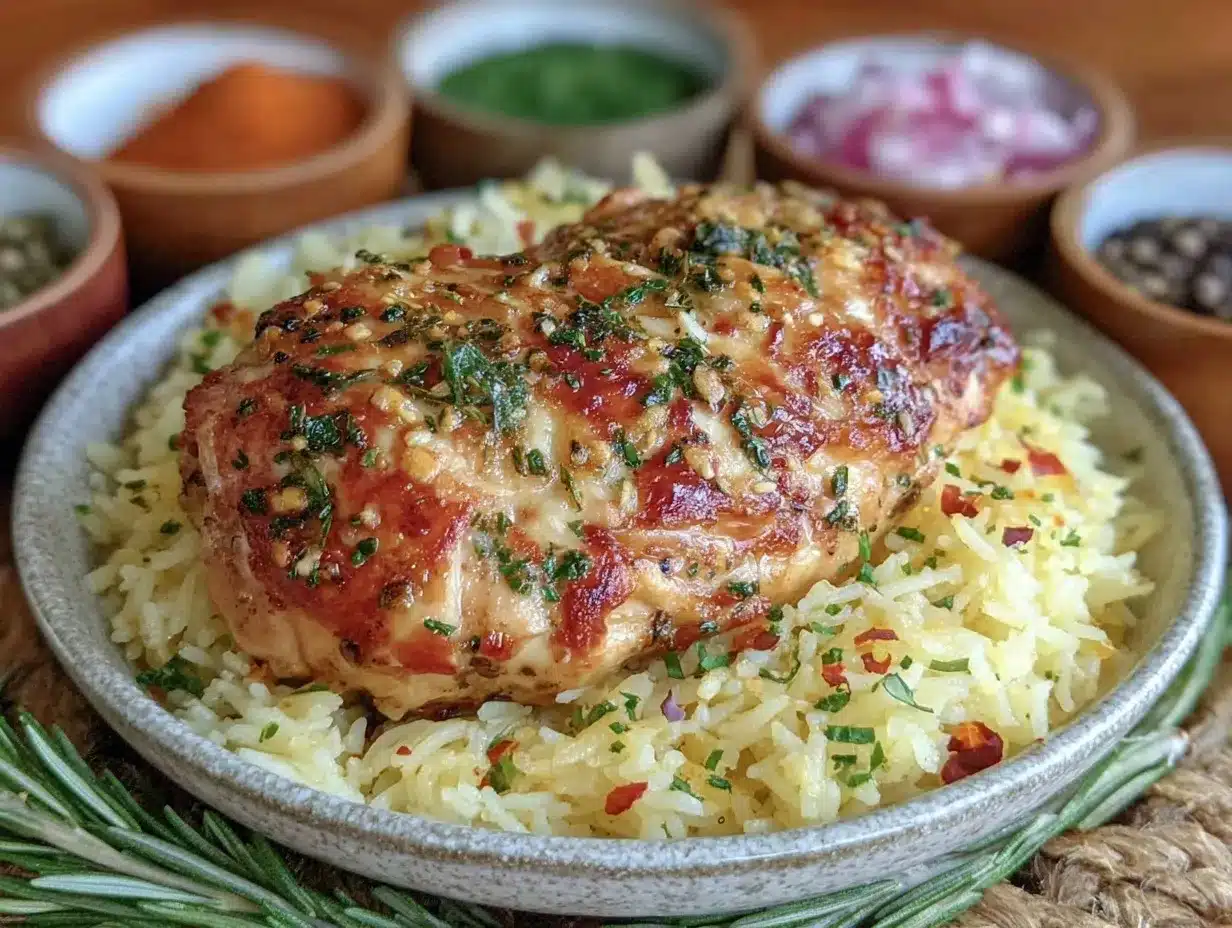
For these quick seasoning fixes, you don’t need much beyond basic kitchen essentials. Here’s what I usually use:
- A set of measuring spoons for accuracy (helps avoid over-salting).
- A small whisk or fork to mix seasonings smoothly into sauces or dressings.
- A citrus juicer or reamer to get the most juice out of lemons or limes.
- Sharp knife and cutting board for chopping fresh herbs.
- Mixing bowls (small size) for combining seasoning blends before adding to food.
Don’t worry if you don’t have fancy tools—using a fork or even shaking seasonings directly into the pan works fine. I once used a shot glass to mix a quick drizzle of honey and lemon juice when I forgot my measuring spoons. Quick improvisation saves the day!
Preparation Method
- Assess your dish: Taste your food first (I know, no one likes to admit it’s bland), then decide which flavor direction it needs—saltiness, acidity, sweetness, or heat.
- Start with salt and pepper: Sprinkle evenly with about ¼ teaspoon (1.5 g) salt and a few grinds of black pepper per serving. Stir or toss to distribute.
- Layer umami: Add ½ teaspoon (2.5 ml) garlic powder and ¼ teaspoon (1.25 ml) onion powder per 2 servings. Mix well to avoid clumps.
- Add brightness: Squeeze 1 teaspoon (5 ml) fresh lemon or lime juice over the dish. If it’s a sauce or stir-fry, add it near the end of cooking or right before serving.
- Balance heat and sweetness: For a little kick, drizzle 2-3 drops of hot sauce. To round out acidity, stir in ½ teaspoon (2.5 ml) honey or maple syrup.
- Finish with richness: Stir in 1 tablespoon (15 ml) melted butter or olive oil to coat ingredients and bring flavors together.
- Fresh herbs: Sprinkle 1-2 tablespoons (15-30 ml) chopped fresh herbs on top just before serving for a fresh pop.
- Taste and adjust: Try a bite, then tweak seasoning as needed. Sometimes a pinch more salt or a splash more acid makes all the difference.
Note: If you’re seasoning rice or pasta, toss the seasonings in while it’s still warm to help absorption. For salads, mix dressings separately, then drizzle evenly.
My personal tip: When I’m in a rush, I mix the dry seasonings (salt, pepper, garlic, onion powder, paprika) in a small jar and shake it over the food—that way I don’t miss a spot. Just remember to shake the jar before each use!
Cooking Tips & Techniques
Adding seasoning at the right time is key. For example, salt early in cooking helps flavors meld, but acid and fresh herbs should be added at the end to keep their brightness. You know that feeling when you add too much salt and it’s game over? Been there. My advice: add gradually and taste often.
Another trick is balancing flavors. If your food tastes flat, a splash of acid (lemon juice or vinegar) can brighten it instantly. If it’s too sharp, a touch of sweetness smooths things out. I once ruined a sauce by adding too much hot sauce but saved it with a spoonful of honey—I still laugh at that “oops” moment.
Multitasking tip: While your main dish cooks, prep your seasoning mix or chop herbs. It helps you finish the dish quickly and with less stress, especially on busy nights.
Don’t forget texture! A sprinkle of toasted nuts or seeds can add crunch and another flavor layer to your quick fixes. For instance, I toss crushed roasted peanuts on steamed broccoli with a drizzle of soy sauce and lime juice—trust me, it’s a game changer.
Variations & Adaptations
Here are a few ways to customize these seasoning fixes based on what you have or your taste preferences:
- Low-Sodium Option: Use low-sodium soy sauce and skip added salt. Boost flavor with garlic powder and fresh herbs.
- Spicy Twist: Add chili flakes or a pinch of cayenne pepper instead of hot sauce for dry heat.
- Herb-Forward: Swap fresh herbs for dried oregano, thyme, or rosemary if fresh isn’t available.
- Vegan Adaptation: Replace butter with olive or avocado oil for richness.
- Asian-Inspired: Mix soy sauce with a teaspoon of grated ginger and a splash of rice vinegar for a bright, savory punch.
Personally, I once tried a Mediterranean spin: lemon juice, smoked paprika, olive oil, and fresh parsley on roasted cauliflower. It turned a dull side into a star. Feel free to experiment with flavors that match your mood or pantry.
Serving & Storage Suggestions
These quick seasoning fixes work best served fresh to keep brightness and texture. For example, a squeeze of lemon juice over warm pasta or a drizzle of olive oil on sautéed veggies tastes best right away.
If you’ve seasoned leftovers, store them in airtight containers in the refrigerator for up to 3 days. When reheating, add a splash of water or broth to keep moisture, then adjust seasoning with a fresh squeeze of lemon or a pinch of salt. Flavors often deepen overnight, so leftovers can actually taste better the next day.
Pair your seasoned dishes with complementary sides—like a crisp salad, crusty bread, or a simple fruit salad—to balance flavors and textures. For beverages, a light white wine or sparkling water with a twist of lime works nicely.
Nutritional Information & Benefits
These seasoning fixes primarily add flavor without significant calories or fat. Ingredients like garlic powder and fresh herbs bring antioxidants and micronutrients. Lemon juice adds vitamin C, which supports immunity. Using olive oil or butter adds healthy fats that help the body absorb fat-soluble vitamins.
These fixes are naturally gluten-free and can be adapted for low-sodium or vegan diets easily. Just watch for allergens in specific sauces (soy sauce contains soy and gluten unless labeled gluten-free).
From a wellness perspective, enhancing flavor with herbs and spices encourages eating more homemade meals and vegetables, which is always a win in my book.
Conclusion
If you’ve ever stared down a bland plate and wished for a quick fix, these seasoning tips are your new best friends. They’re simple yet powerful ways to turn everyday food into something unexpectedly delicious. I love this approach because it’s flexible, fast, and forgiving—perfect for anyone juggling life and hunger.
Remember, cooking is as much about experimenting as it is about following rules. Play around with these fixes, make them your own, and let your taste buds guide you. I promise, once you start seasoning smartly, bland meals will become a thing of the past.
Got your own quick seasoning hacks or a flavor rescue story? Drop a comment below—I’d love to hear how you make your meals sing. Happy seasoning!
FAQs
- Q: Can I use fresh garlic instead of garlic powder?
A: Yes! Use one small minced garlic clove for every ½ teaspoon of garlic powder, but add it earlier in cooking to mellow the flavor. - Q: What if I don’t have lemon or lime juice?
A: A splash of vinegar (apple cider or white wine) can brighten dishes similarly. - Q: How much hot sauce should I add?
A: Start with 2-3 drops and increase gradually to avoid overpowering the dish. - Q: Can these seasoning fixes work on cold dishes?
A: Absolutely! They’re great on salads, sandwiches, or cold pasta—just adjust acid and oil amounts to taste. - Q: How do I store mixed dry seasoning blends?
A: Keep them in airtight jars away from sunlight for up to 3 months to maintain freshness.
Pin This Recipe!

Flavorful Quick Seasoning Fixes to Make Bland Food Taste Better Fast

Quick and easy seasoning tricks using pantry staples to transform bland dishes into flavorful meals in under 5 minutes.
- Prep Time: 5 minutes
- Cook Time: 0 minutes
- Total Time: 5 minutes
- Yield: Varies (seasoning for approximately 2 servings)
- Category: Seasoning / Flavor Enhancer
- Cuisine: Universal
Ingredients
- Salt (sea salt or kosher salt)
- Freshly ground black pepper
- Garlic powder
- Onion powder
- Smoked paprika
- Lemon juice or lime juice (fresh or bottled)
- Soy sauce or tamari
- Hot sauce (e.g., Frank’s RedHot)
- Honey or maple syrup
- Butter or olive oil
- Fresh herbs (parsley, cilantro, or basil, chopped finely)
Instructions
- Taste your food to determine which flavor it needs: saltiness, acidity, sweetness, or heat.
- Sprinkle about 1/4 teaspoon salt and a few grinds of black pepper per serving; stir or toss to distribute evenly.
- Add 1/2 teaspoon garlic powder and 1/4 teaspoon onion powder per 2 servings; mix well to avoid clumps.
- Squeeze 1 teaspoon fresh lemon or lime juice over the dish; add near the end of cooking or before serving.
- Drizzle 2-3 drops of hot sauce for heat and stir in 1/2 teaspoon honey or maple syrup to balance acidity.
- Stir in 1 tablespoon melted butter or olive oil to coat ingredients and bring flavors together.
- Sprinkle 1-2 tablespoons chopped fresh herbs on top just before serving for freshness.
- Taste and adjust seasoning as needed, adding more salt or acid if desired.
Notes
Add seasoning gradually and taste often to avoid over-salting. For rice or pasta, toss seasonings while warm for better absorption. For salads, mix dressings separately before drizzling. Store mixed dry seasoning blends in airtight jars away from sunlight for up to 3 months. Fresh herbs should be added at the end to preserve brightness.
Nutrition
- Serving Size: Seasoning amount sui
- Calories: 40
- Sugar: 1.5
- Sodium: 300
- Fat: 4.5
- Saturated Fat: 1.5
- Carbohydrates: 2
- Fiber: 0.2
- Protein: 0.3
Keywords: quick seasoning, flavor fix, bland food, easy seasoning, pantry staples, umami, acid balance, last-minute flavor