Love this? Save it for later!
Share the inspiration with your friends
Introduction
“I swear, the freezer beeped at me like it was warning, but I was too tired to care,” my friend Lisa confessed over coffee last winter. We were reminiscing about how she once found a mystery chicken bag buried deep in her freezer, thawed it, and cooked it without a second thought—only to spend the next day battling a stomach ache. Honestly, I’ve been there too. That moment when you realize you might have stored chicken the wrong way can be equal parts annoying and a little scary.
Freezing chicken sounds simple, right? Just pop it in a bag and forget about it. But, let me tell you, there’s an art and a bit of science behind freezing chicken safely and properly. It’s not just about food safety, though that’s crucial—it’s also about preserving flavor, texture, and avoiding freezer burn that turns your protein into a sad, dry mess.
Maybe you’ve experienced that freezer mystery bag, or you’ve thawed chicken only to find it slimy or off. This guide is exactly what you need to make freezing chicken foolproof. I’m sharing what I’ve learned from my kitchen mishaps, food safety courses, and late-night freezer reorganizing marathons. So, whether you’re stocking up on chicken breasts during a sale or meal prepping for the week, stick around. This is the ultimate guide to freezing chicken safely and properly—five easy steps to perfect storage every time.
Why You’ll Love This Recipe
If you think freezing chicken is just about tossing it in the freezer, think again. I’ve spent countless hours testing different methods, and this approach makes a world of difference. Here’s why you’ll love mastering this technique:
- Quick & Easy: Takes less than 10 minutes to prep your chicken for freezing, saving you loads of hassle later.
- Simple Ingredients: No special products required—just your chicken and common kitchen supplies.
- Perfect for Meal Prep: Ideal for busy folks who want to prep ahead without worrying about food safety.
- Crowd-Pleaser: Keeps chicken juicy and flavorful, so your dishes taste fresh, not freezer-burnt.
- Unbelievably Delicious: You won’t believe the difference proper freezing makes in texture and taste.
What makes this guide different is the balance of food safety and practical tips from real kitchen trials. For example, I swear by wrapping chicken in parchment paper before sealing it in freezer bags—it reduces freezer burn like a charm. And I’m not just guessing; these methods are what professional chefs recommend too.
This isn’t just about freezing chicken—it’s about trusting your freezer to keep your meals delicious and safe. Once you get this down, you’ll feel that little rush when you pull perfectly preserved chicken from the freezer, ready to cook without a second thought.
What Ingredients You Will Need
This isn’t a recipe with a long ingredient list, but the ingredients and materials you use matter a lot when freezing chicken safely and properly. Here’s what you’ll need to get started:
- Chicken: Fresh chicken pieces (breasts, thighs, drumsticks, or whole chicken). Use fresh chicken that hasn’t been sitting in your fridge too long. If you’re freezing leftovers, ensure they’re cooled completely.
- Freezer Bags or Vacuum Seal Bags: High-quality, heavy-duty freezer bags work best. I like the Ziploc brand for sturdy seals, but vacuum seal bags are ideal if you have a vacuum sealer.
- Parchment Paper or Plastic Wrap: Optional but highly recommended. Wrapping chicken pieces individually helps prevent freezer burn and sticking.
- Permanent Marker: For labeling your packages with dates and contents. Trust me, you don’t want to guess how long that chicken’s been frozen.
- Freezer-Safe Containers: For freezing chicken parts like ground chicken or shredded leftovers, use airtight containers labeled for freezer use.
You don’t need anything fancy. The key is to pick materials that create a tight seal and protect the chicken from air exposure. If you’re gluten-free or have dietary needs, this method works the same. Just make sure to thaw and cook your chicken following recommended guidelines.
Equipment Needed
- Freezer: Obviously, a reliable freezer with a consistent temperature at or below 0°F (-18°C).
- Vacuum Sealer (Optional): If you want perfectly sealed chicken, this is a worthy investment. It removes air, which is the main cause of freezer burn.
- Sharp Knife: For portioning chicken before freezing if you buy whole or large cuts.
- Cutting Board: Preferably separate from other food prep to avoid cross-contamination.
- Freezer-Safe Labels or Masking Tape: For marking packages with dates and contents.
If you don’t have a vacuum sealer, no worries. I often use heavy-duty freezer bags with the air pressed out by hand—works just fine. For those on a budget, regular zipper bags and parchment paper do the job well. Just double-wrap if you’re worried about leaks or smells.
Preparation Method
- Start with Freshness: Use chicken that’s as fresh as possible. If it’s been in your fridge longer than two days, cook it or freeze it immediately to avoid spoilage. (Approx. 5 mins prep)
- Portion Your Chicken: Cut large pieces or whole chicken into meal-sized portions. This helps you thaw only what you need. Use a sharp knife and clean cutting board for this step. (10 mins)
- Wrap Individually: Wrap each piece of chicken in parchment paper or plastic wrap. This layer protects against freezer burn and prevents pieces from sticking together. (5 mins)
- Seal in Bags: Place wrapped chicken pieces into a freezer bag or vacuum seal bag. If using freezer bags, press out as much air as possible before sealing. For vacuum sealers, follow manufacturer instructions. (5 mins)
- Label and Date: Use a permanent marker to write the date and contents on each bag or container. This helps you keep track and use the oldest chicken first. (2 mins)
- Freeze Flat: Lay bags flat in the freezer until frozen solid. This saves space and makes thawing quicker and more even. (Overnight freezing)
Quick tip: If you forget to label and your chicken is hiding in the back of the freezer, you’re playing a risky guessing game. I learned that the hard way after thawing something that looked fine but smelled… off. Label early, label often!
Cooking Tips & Techniques
Proper freezing is only half the battle; cooking frozen chicken safely is just as important. Here’s what I’ve learned:
- Thawing: The best method is thawing in the refrigerator overnight. If you’re in a rush, cold water thawing works—just keep the chicken sealed and change the water every 30 minutes.
- Cooking from Frozen: You can cook chicken straight from frozen, but add 50% more cooking time. This is great for quick meals when you forget to thaw.
- Avoid Refreezing: Thawed chicken should not be refrozen unless cooked first. This helps prevent bacterial growth and quality loss.
- Check Temperature: Use a meat thermometer to ensure chicken reaches an internal temperature of 165°F (74°C). This guarantees safety and juicy meat.
- Prevent Dryness: Marinate chicken before freezing or cook it with moist methods like braising or baking covered to keep it tender.
I once overcooked frozen chicken breasts because I didn’t adjust the cooking time. Lesson learned! Always use a thermometer and keep an eye on texture. Cooking chicken properly after freezing is key to meal success.
Variations & Adaptations
This freezing method works for all kinds of chicken cuts and preparations. Here are some variations I’ve tried:
- Ground Chicken: Freeze flat in freezer bags with parchment paper layers in between. Easy to break apart for recipes like tacos or burgers.
- Marinated Chicken: Freeze chicken already marinated in airtight containers or bags for quick flavor-packed meals. Just watch salt content to prevent texture changes.
- Cooked Chicken: Freeze leftovers in airtight containers or bags. Cool completely before freezing to avoid sogginess.
- Allergen-Friendly: Swap out any marinades or coatings with allergen-free options. The freezing technique remains the same.
Once, I froze chicken coated in a spicy yogurt marinade, and it came out tender and flavorful after baking. Don’t hesitate to customize based on your tastes!
Serving & Storage Suggestions
After freezing and thawing chicken properly, serving it is a breeze. Serve at your preferred temperature, whether hot from the oven or simmered in a stew. Pair with fresh vegetables or grains for a balanced meal.
For storage:
- Refrigerate: Thawed chicken can stay in the fridge up to 2 days before cooking.
- Freeze: Properly wrapped chicken lasts up to 9 months in the freezer without quality loss.
- Reheat: Reheat cooked chicken slowly to prevent drying. Use a covered pan or microwave with a splash of broth.
Flavors often deepen after freezing, especially with marinated chicken. So, sometimes, frozen chicken meals taste even better than fresh ones!
Nutritional Information & Benefits
Chicken is a lean protein packed with essential nutrients like B vitamins, selenium, and phosphorus. Freezing chicken safely helps preserve these nutrients without additives or preservatives.
This method supports healthy eating by reducing waste and allowing you to plan meals efficiently. It’s naturally gluten-free and low-carb, fitting well into a variety of diets.
One note: avoid freezing chicken with added salt or sauces if you’re watching sodium intake. Freeze plain chicken and add seasoning during cooking for better control.
Conclusion
Freezing chicken safely and properly might seem simple, but the right steps make all the difference between a freezer disaster and perfectly preserved meals. This guide breaks it down so you can save time, reduce waste, and enjoy juicy, flavorful chicken any day of the week.
Try customizing your freezing approach with marinades or portion sizes that suit your cooking style. Trust me, once you get this method down, you’ll wonder how you ever managed without it.
I love this method because it gives me peace of mind and flexibility in the kitchen. Now, I never stress about last-minute dinner plans or freezer surprises. Give it a go, and don’t forget to share your freezing wins or questions below—I’m here to help you every step of the way!
FAQs About Freezing Chicken Safely
- How long can chicken be safely frozen? Properly wrapped chicken can last up to 9 months in the freezer without losing much quality.
- Can I freeze cooked chicken? Yes, cool cooked chicken completely before freezing in airtight containers or bags.
- Is it safe to refreeze thawed chicken? Only if the chicken was thawed in the refrigerator and not left out at room temperature. It’s best to cook it before refreezing.
- What’s the best way to thaw frozen chicken? The safest is overnight in the fridge. For faster thawing, use cold water thawing with the chicken sealed in a bag.
- Can I freeze chicken with marinade? Yes, but be mindful of salt content and freeze in airtight bags to maintain texture and flavor.
Pin This Recipe!
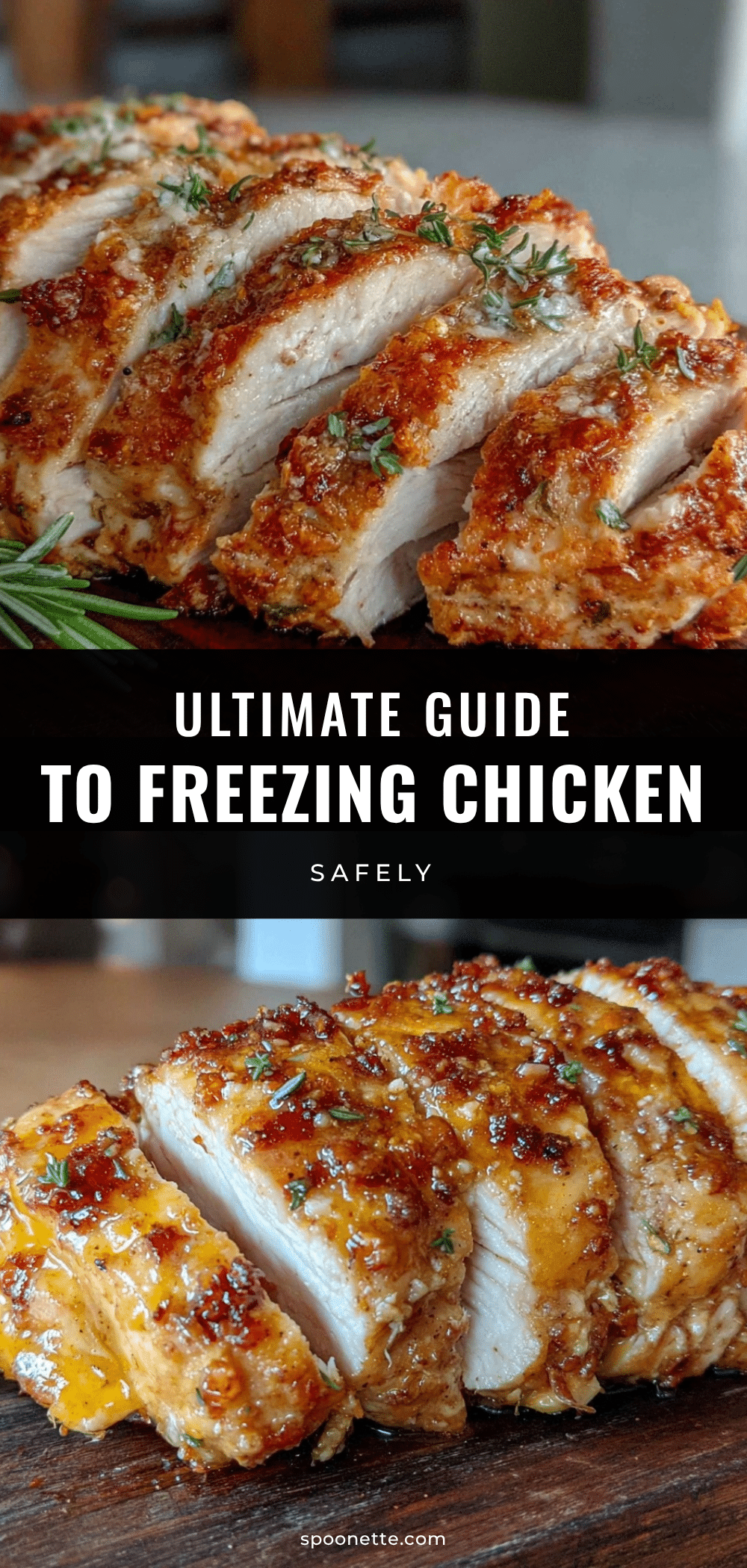
Freezing Chicken Safely: 5 Easy Steps for Perfect Storage Every Time

A comprehensive guide to freezing chicken safely and properly, preserving flavor, texture, and preventing freezer burn with simple steps and common kitchen supplies.
- Prep Time: 22 minutes
- Cook Time: N/A
- Total Time: Overnight freezing
- Yield: Varies depending on chicken quantity
- Category: Food Storage Guide
- Cuisine: Universal
Ingredients
- Fresh chicken pieces (breasts, thighs, drumsticks, or whole chicken)
- Freezer bags or vacuum seal bags
- Parchment paper or plastic wrap (optional but recommended)
- Permanent marker for labeling
- Freezer-safe containers (for ground chicken or shredded leftovers)
Instructions
- Start with fresh chicken that is as fresh as possible. If it has been in the fridge longer than two days, cook or freeze immediately. (Approx. 5 minutes prep)
- Portion your chicken into meal-sized pieces using a sharp knife and clean cutting board. (10 minutes)
- Wrap each piece individually in parchment paper or plastic wrap to prevent freezer burn and sticking. (5 minutes)
- Place wrapped chicken pieces into freezer bags or vacuum seal bags. Press out as much air as possible before sealing. Follow vacuum sealer instructions if using one. (5 minutes)
- Label each bag or container with the date and contents using a permanent marker. (2 minutes)
- Lay bags flat in the freezer until frozen solid to save space and ensure even thawing. (Overnight freezing)
Notes
Use fresh chicken and label packages with dates to avoid guessing. Thaw chicken in the refrigerator overnight or use cold water thawing. Cook frozen chicken by adding 50% more cooking time. Avoid refreezing thawed chicken unless cooked first. Marinate before freezing to enhance flavor and prevent dryness.
Nutrition
- Serving Size: Depends on portion s
Keywords: freezing chicken, safe chicken storage, freezer burn prevention, meal prep, chicken preservation, food safety