Love this? Save it for later!
Share the inspiration with your friends
“You know that feeling when you’re all set for a classic 4th of July barbecue, and then—boom—the propane tank is empty?” That happened to me last summer. I was just about to fire up the grill for a neighborhood gathering when I realized my backup tank was nowhere to be found. Honestly, panic set in for a second. But rather than running out for a frantic store trip, I got curious. What else could I do to grill without propane? It turns out, there’s a surprising number of creative, propane-free grilling methods that not only work but bring their own unique charm to the celebration.
It all started on a bright Wednesday morning when I was chatting with my neighbor, Marco, who’s this old-school pitmaster with a knack for unconventional cooking. He swore by his trusty charcoal kettle grill and showed me how to coax smoky goodness out of lump charcoal without the fuss of propane. That conversation sparked a mini obsession. I went on to experiment with everything from wood pellet grills to solar ovens and even some clever cast iron skillet hacks on my campfire. The results? Delicious, smoky, and perfectly festive—all without a single puff of propane.
Maybe you’ve been there too—planning a cookout that feels incomplete without that grill fired up but faced with equipment hiccups or an eco-conscious mindset wanting to avoid fossil fuels. Let me tell you, these alternative grilling methods aren’t just backups; they’re a way to make your 4th of July cookout memorable and a little more adventurous. So, if you’re ready to shake things up this Independence Day or just want some cool options when propane’s not an option, read on. I’m sharing my favorite tried-and-true ways to grill creatively and deliciously—no propane required.
Why You’ll Love This Recipe
This guide to creative 4th of July alternative grilling methods without propane is a lifesaver for anyone who’s ever faced an empty tank or just wants to try something different. I’ve tested these methods myself through countless summer cookouts, tweaking each for maximum flavor and ease.
- Quick & Easy: Many of these methods come together in under 30 minutes, perfect for spontaneous get-togethers or last-minute cravings.
- Simple Ingredients & Tools: No need for fancy gear or exotic fuels—just basics you probably already own or can easily grab.
- Perfect for Outdoor Celebrations: Whether it’s a picnic in the park, a backyard bash, or a beach cookout, these options fit every scene.
- Crowd-Pleaser: Smoky flavors, charred textures, and juicy results always get thumbs-up from both kids and adults.
- Uniquely Delicious: Each method offers a twist—like wood-fired aroma or solar slow-cooking—that makes your grilled dishes stand out.
What makes this collection different? It’s all about flexibility and fun. Instead of relying on propane, you’ll be tapping into natural fuels and simple techniques that bring out the best in your food. Plus, these methods encourage you to slow down, get hands-on, and enjoy the process as much as the meal. Honestly, after trying these, I found myself appreciating grilling in ways I never did before.
What Ingredients You Will Need
These alternative grilling methods rely on straightforward ingredients that highlight the natural flavors of your food. Whether you’re grilling burgers, vegetables, or seafood, here’s what you’ll typically gather:
- Proteins: Grass-fed beef patties, free-range chicken breasts, wild-caught salmon fillets, or plant-based burger alternatives.
- Vegetables: Bell peppers, zucchini, corn on the cob, asparagus, and portobello mushrooms.
- Seasonings: Kosher salt, freshly ground black pepper, smoked paprika (adds smokiness), garlic powder, and fresh herbs like rosemary or thyme.
- Oils & Marinades: Extra virgin olive oil, avocado oil (great for high-heat grilling), and simple marinades with citrus juice and honey for a sweet-tart balance.
- Fuel Alternatives: Lump charcoal (go for natural hardwood lump charcoal like Fogo for consistent heat), hardwood chunks or chips (hickory or applewood for flavor), untreated wood logs for campfire grilling, or solar oven-safe containers if using solar cooking.
Keep in mind, the beauty of these methods is their adaptability. For example, if you want to keep the meal vegan, simply swap proteins and adjust seasonings. And for the freshest taste, hit up your local farmers’ market—summer produce shines brightest then. I personally recommend using Weber lump charcoal when going the charcoal route because it lights quickly and burns cleanly.
Equipment Needed
While propane grills are common, you don’t actually need fancy or expensive equipment to grill creatively this 4th of July. Here’s what I’ve found most useful:
- Charcoal Kettle Grill: Compact and versatile—great for direct and indirect heat cooking. If you don’t have one, many parks have communal charcoal grills you can use.
- Cast Iron Skillet or Griddle: Perfect for cooking over a campfire or even on a wood stove. Plus, it holds and distributes heat evenly.
- Solar Oven: A fun, eco-friendly option for slow-cooking. Look for foldable models if you want something portable.
- Fire Pit or Campfire Ring: Ideal for wood grilling or pan cooking. Just make sure it’s in a safe, legal spot and you have water nearby.
- Long-Handled Tongs and Heat-Resistant Gloves: Absolutely essential for safety when handling hot coals or shifting logs.
If you’re on a budget, a simple charcoal grill paired with a chimney starter is a fantastic way to get that smoky flavor without spending a fortune on propane tanks. Also, I keep a trusty campfire grill grate in my trunk for spontaneous outdoor grilling adventures. Just a heads-up: if you’re using cast iron over an open flame, be sure to season it regularly—it makes all the difference in sticking and flavor!
Preparation Method
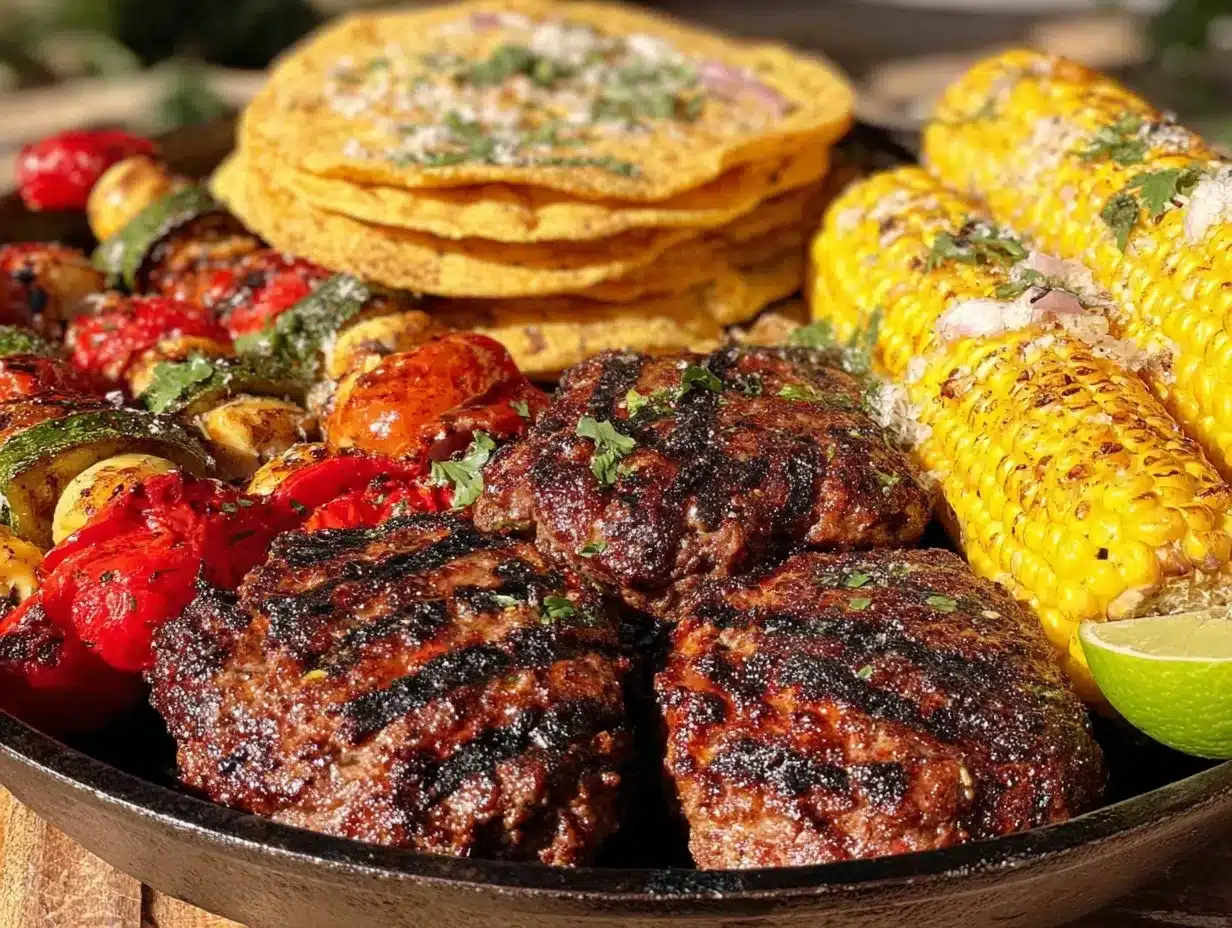
- Prepare Your Fuel: For charcoal grilling, arrange about 4-5 pounds (1.8-2.3 kg) of lump charcoal in a chimney starter and light it. Let it burn until covered with white ash—about 15-20 minutes. For wood grilling, build a small fire with dry hardwood logs and allow it to burn down to glowing embers, roughly 30-40 minutes.
- Set Up Your Grill or Cooking Surface: Place the grill grate over the hot coals or embers. If using cast iron over a campfire, position your skillet or griddle securely above the fire, adjusting height with rocks or a grate for temperature control. For solar ovens, preheat it in direct sunlight for 30 minutes before cooking.
- Season Your Ingredients: Lightly brush proteins and vegetables with oil and season with salt, pepper, and your favorite herbs or spices. Don’t overdo it—simple seasoning lets the grill’s smoky notes shine.
- Start Grilling: Place your items on the grill or skillet. For charcoal or wood grilling, cook over direct heat for searing (about 3-5 minutes per side for burgers or chicken breasts), then move to indirect heat to finish cooking through. Use a meat thermometer to check doneness: 160°F (71°C) for beef burgers, 165°F (74°C) for chicken.
- Use the Solar Oven: Place seasoned items in oven-safe dishes with lids or foil. Cook in the solar oven for 1-2 hours depending on the food type and sun intensity. It’s slower but yields tender, evenly cooked results.
- Check for Doneness and Rest: Once cooked, remove food from heat and let it rest for 5 minutes. Resting helps juices redistribute, making your bites juicier and more flavorful.
- Serve and Enjoy: Plate your grilled feast with fresh sides and sauces. Don’t forget to keep a spray bottle of water handy for managing flare-ups during wood or charcoal grilling.
Pro tip: When handling hot coals, always use tongs or a metal scoop, and never add lighter fluid once the fire is going. I once made the mistake of rushing that step and ended up with a smoky flare-up that singed my eyebrows—lesson learned!
Cooking Tips & Techniques
Getting the best results from these alternative grilling methods takes a bit of practice and some insider know-how. Here’s what I’ve learned:
- Charcoal Management: Arrange coals for two-zone cooking—hot side for searing, cooler side for finishing. This control keeps food from burning while cooking through evenly.
- Wood Flavoring: Add a few soaked wood chips to your coals or embers for extra smoky aroma. Hickory and applewood are my go-tos for a sweet, rich flavor.
- Cast Iron Magic: Preheat your skillet well before adding food; this prevents sticking and helps develop a beautiful crust.
- Solar Oven Patience: Plan ahead since solar cooking takes longer. It’s perfect for unattended slow cooking—you can set it and forget it during a sunny afternoon.
- Common Mistakes: Avoid flipping meat too often—let it develop a crust first. Also, don’t press down on burgers; it squeezes juices out and makes them dry.
- Timing & Multitasking: While grilling, prep sides or salads to make the most of your time. I usually chop veggies or toss a quick salad while keeping an eye on the fire.
Variations & Adaptations
These alternative grilling methods are flexible enough to suit many tastes and dietary needs. Here are some ways to mix it up:
- Dietary: For gluten-free grilling, swap any buns for lettuce wraps or gluten-free bread. Vegan options like marinated tofu or portobello mushrooms grill beautifully using these methods.
- Seasonal: In early summer, try grilling peaches or nectarines for a smoky dessert. Autumn? Grilled sweet potatoes and Brussels sprouts are crowd favorites.
- Flavor Twists: Experiment with different wood chips—mesquite for boldness, cherry for sweetness. Or add a splash of flavored vinegar or citrus juice after grilling for brightness.
- Cooking Method Adjustments: When using a solar oven, you can slow-cook tougher cuts like pork shoulder or brisket to tender perfection, just increase cooking time.
- Personal Favorite: I once swapped out lump charcoal for coconut shell charcoal. It burns longer and gives a subtle, tropical aroma that surprised everyone at the picnic.
Serving & Storage Suggestions
Serve your grilled creations hot off the grill for the best texture and flavor. I love pairing smoky grilled chicken with fresh corn salad and a chilled lemonade. For a laid-back 4th of July vibe, serve burgers with classic toppings and a side of oven-roasted potatoes.
If you have leftovers, wrap them tightly in foil or place in airtight containers and refrigerate for up to 3 days. Grilled veggies and meats reheat well in a cast iron skillet over medium heat or under a broiler to regain crispness.
Pro tip: Flavors often deepen overnight, especially for marinated items, so consider prepping some ingredients the day before your cookout. Just be mindful that solar oven dishes are best eaten fresh, as they can dry out if stored too long.
Nutritional Information & Benefits
Grilling without propane often means cooking with natural ingredients and fuels, which can be healthier and more environmentally friendly. For example:
- Using lump charcoal or wood reduces the chance of chemical residues sometimes found in lighter fluid or propane fumes.
- Grilled vegetables retain vitamins and get a delicious smoky flavor without added fat.
- Lean proteins like chicken and fish cook quickly over clean heat, preserving nutrients.
Most dishes prepared this way are naturally gluten-free and can be adapted for low-carb or plant-based diets, making them accessible for many dietary preferences. Personally, I find that cooking outdoors this way encourages me to eat more fresh produce and less processed food—always a win for wellness.
Conclusion
So there you have it—creative 4th of July grilling methods without propane that bring fresh flavor and fun to your holiday cookout. Whether you’re a charcoal enthusiast, a campfire fan, or curious about solar cooking, these alternatives make it easy to celebrate with delicious, smoky dishes without relying on propane tanks.
I love this approach because it turns a potentially frustrating moment—like running out of propane—into an opportunity for adventure and connection with nature. Plus, it’s a chance to impress your family and friends with something truly different. Give these methods a try, tweak them to your taste, and see how they change your summer grilling game.
Don’t forget to share your experiences or any cool twists you come up with—I’m always excited to hear how others make these ideas their own. Here’s to smoky, satisfying, and propane-free 4th of July celebrations!
FAQs
Can I use regular charcoal briquettes instead of lump charcoal?
You can, but lump charcoal burns hotter and cleaner with less ash, making it better for flavor and easier to manage. Briquettes often contain additives that may affect taste.
Is solar oven cooking practical for grilling meats?
Solar ovens cook slower and at lower temperatures, so they’re great for tender cuts and slow cooking rather than quick searing. Plan for longer cook times and use a meat thermometer.
How do I control temperature without propane?
With charcoal or wood, control heat by adjusting the amount of fuel, spreading coals out for indirect heat, or raising/lowering the cooking grate. Using a chimney starter helps get coals ready evenly.
Are these grilling methods safe for small balconies or apartments?
Charcoal and wood fires can produce smoke and must be used in well-ventilated, outdoor spaces. For balconies, check local rules and consider electric grills or stovetop methods instead.
Can I use these methods year-round?
Absolutely! While summer is ideal, many of these approaches work great in cooler months too—just dress warmly and enjoy the cozy cooking experience.
Pin This Recipe!
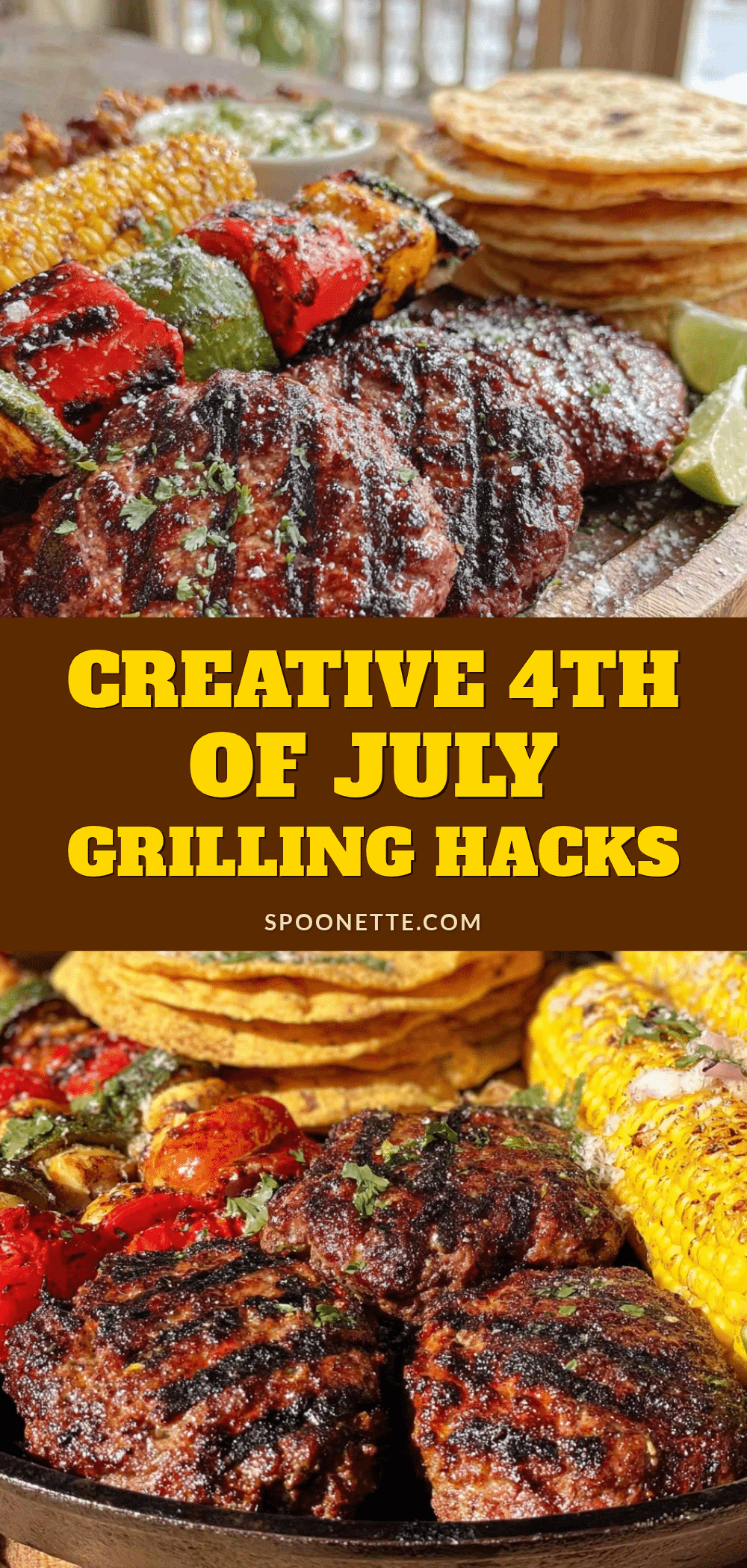
Creative 4th of July Grilling Methods Without Propane Easy Alternatives
Discover creative and propane-free grilling methods perfect for your 4th of July cookout. These alternatives offer smoky, delicious results using charcoal, wood, cast iron, and solar ovens.
- Prep Time: 15 minutes
- Cook Time: 30 minutes
- Total Time: 45 minutes
- Yield: 4 servings
- Category: Main Course
- Cuisine: American
Ingredients
- Grass-fed beef patties
- Free-range chicken breasts
- Wild-caught salmon fillets
- Plant-based burger alternatives
- Bell peppers
- Zucchini
- Corn on the cob
- Asparagus
- Portobello mushrooms
- Kosher salt
- Freshly ground black pepper
- Smoked paprika
- Garlic powder
- Fresh herbs like rosemary or thyme
- Extra virgin olive oil
- Avocado oil
- Simple marinades with citrus juice and honey
- Lump charcoal (natural hardwood, e.g., Weber or Fogo)
- Hardwood chunks or chips (hickory or applewood)
- Untreated wood logs for campfire grilling
- Solar oven-safe containers
Instructions
- Prepare Your Fuel: For charcoal grilling, arrange about 4-5 pounds of lump charcoal in a chimney starter and light it. Let it burn until covered with white ash, about 15-20 minutes. For wood grilling, build a small fire with dry hardwood logs and allow it to burn down to glowing embers, roughly 30-40 minutes.
- Set Up Your Grill or Cooking Surface: Place the grill grate over the hot coals or embers. If using cast iron over a campfire, position your skillet or griddle securely above the fire, adjusting height with rocks or a grate for temperature control. For solar ovens, preheat it in direct sunlight for 30 minutes before cooking.
- Season Your Ingredients: Lightly brush proteins and vegetables with oil and season with salt, pepper, and your favorite herbs or spices. Keep seasoning simple to let smoky notes shine.
- Start Grilling: Place your items on the grill or skillet. For charcoal or wood grilling, cook over direct heat for searing (about 3-5 minutes per side for burgers or chicken breasts), then move to indirect heat to finish cooking through. Use a meat thermometer to check doneness: 160°F for beef burgers, 165°F for chicken.
- Use the Solar Oven: Place seasoned items in oven-safe dishes with lids or foil. Cook in the solar oven for 1-2 hours depending on food type and sun intensity.
- Check for Doneness and Rest: Once cooked, remove food from heat and let it rest for 5 minutes to redistribute juices.
- Serve and Enjoy: Plate your grilled feast with fresh sides and sauces. Keep a spray bottle of water handy for managing flare-ups during wood or charcoal grilling.
Notes
Use lump charcoal for cleaner, hotter burns. Season cast iron regularly to prevent sticking. Manage charcoal for two-zone cooking: hot side for searing, cooler side for finishing. Add soaked wood chips for extra smoky flavor. Avoid pressing burgers to keep them juicy. Solar ovens require longer cooking times and are best for slow cooking tender cuts. Always use safety gear when handling hot coals or logs.
Nutrition
- Serving Size: 1 serving (approxima
- Calories: 350
- Sugar: 4
- Sodium: 450
- Fat: 18
- Saturated Fat: 4
- Carbohydrates: 12
- Fiber: 3
- Protein: 30
Keywords: 4th of July, grilling, propane-free, charcoal grilling, wood grilling, solar oven, cast iron skillet, outdoor cooking, barbecue alternatives, smoky flavor