Love this? Save it for later!
Share the inspiration with your friends
“You know that moment when you open the freezer looking for just a quick veggie side and all you find is a sad, flavorless bag of frozen peas? Yeah, I’ve been there more times than I care to admit,” I confessed to my friend Lisa last Thursday evening while we were prepping dinner. She laughed and said, “Well, you’ve got to show me these easy flavor-packed frozen vegetable swaps you keep talking about.” Honestly, it started as a kitchen experiment on a hectic weeknight when fresh produce wasn’t in sight, and I was too tired to grocery shop. I grabbed whatever frozen veggies I had, tossed in some spices, a splash of broth, and a pinch of this and that—and bam! Dinner was saved, and it tasted like I’d spent hours tasting and tweaking.
That little happy accident turned into a lifesaver for busy nights, lazy weekend meals, and even those times when I wanted to sneak in more veggies without the usual fuss. I mean, frozen vegetables can get a bad rap for being bland or mushy, but with a few simple tweaks, they transform into vibrant, tasty dishes that even my picky eaters can’t resist. Maybe you’ve been there, too—standing in front of the freezer, wondering how to make those frozen bags work harder for you. Let me tell you, these flavor-packed swaps aren’t just quick fixes; they’ve become my go-to tricks for healthy, satisfying meals with minimal effort and maximum taste.
So, whether you’re a seasoned freezer-stocker or a newbie to frozen produce, I’m sharing everything about how to turn those unassuming bags into star ingredients. No fancy sauces, no weird ingredients—just smart swaps, easy seasoning, and a little bit of kitchen magic that’ll make you look like you planned a whole meal. Ready to make frozen veggies your secret weapon? Let’s get to it!
Why You’ll Love This Recipe
After testing countless combinations and seasoning blends, I can confidently say these easy flavor-packed frozen vegetable swaps will quickly become your kitchen heroes. Here’s why:
- Quick & Easy: You can whip up a delicious side or stir-in in under 15 minutes—perfect for busy weeknights or last-minute meals.
- Simple Ingredients: No need for exotic spices or specialty items—just pantry staples and frozen veggies you probably already have.
- Perfect for Every Meal: These swaps fit seamlessly into breakfast scrambles, hearty lunches, or cozy dinners.
- Crowd-Pleaser: Even the veggie skeptics at my table ask for seconds—because honestly, flavor matters.
- Unbelievably Delicious: The seasoning tricks and quick sauté method bring out freshness and texture you wouldn’t expect from frozen.
What really sets this approach apart is the focus on boosting natural flavors without drowning the veggies in heavy sauces or butter. A splash of citrus here, a sprinkle of toasted seeds there, or a hint of garlic powder can completely change the game. It’s all about making frozen produce feel fresh and vibrant again. I’ve tried versions with frozen green beans, mixed stir-fry blends, and even cauliflower rice—all with consistent, tasty results.
Plus, these swaps are flexible—they work with whatever you have on hand. Whether you want to sneak extra greens into your kids’ meals or jazz up a quick pasta dish, these flavor-packed frozen vegetable swaps have got you covered.
What Ingredients You Will Need
This recipe relies on simple, wholesome ingredients to bring frozen vegetables to life without fuss. Each component plays a key role in building layers of flavor and maintaining texture:
- Frozen Vegetables: Choose your favorites like green beans, peas, corn, broccoli florets, or mixed stir-fry blends. I prefer Birds Eye or Green Giant for consistent quality and texture.
- Olive Oil or Avocado Oil: For sautéing—adds richness and helps crisp veggies slightly.
- Garlic Powder or Fresh Garlic: Provides a warm, savory note. Fresh garlic adds punch, but garlic powder is more convenient.
- Onion Powder or Shallots: Adds sweetness and depth of flavor.
- Salt and Black Pepper: Essential to bring out natural veggie flavors.
- Lemon Juice or Apple Cider Vinegar: A splash brightens the dish, balancing richness.
- Red Pepper Flakes or Smoked Paprika (optional): Adds a subtle kick or smoky undertone.
- Fresh Herbs (optional): Parsley, dill, or basil bring freshness when available.
- Toasted Seeds or Nuts (optional): Pumpkin seeds or slivered almonds add crunch and a nutty contrast.
Feel free to swap olive oil with coconut oil for a hint of sweetness or use dairy-free alternatives if needed. When I’m in a pinch, I’ve even blended in a bit of soy sauce or tamari for an umami boost (great with Asian-style frozen vegetable mixes).
Pro tip: If using frozen broccoli or cauliflower, make sure to thaw slightly and pat dry before cooking to avoid sogginess. For green peas or corn, no thawing needed—just toss right in!
Equipment Needed
For these easy flavor-packed frozen vegetable swaps, your kitchen probably already has all the tools you need:
- Nonstick Skillet or Sauté Pan: A 10 to 12-inch pan works best to get even heat and avoid overcrowding.
- Spatula or Wooden Spoon: For stirring and tossing veggies without bruising.
- Measuring Spoons: To keep seasoning balanced and consistent.
- Citrus Juicer (optional): Handy for squeezing fresh lemon juice, but you can always hand-squeeze.
- Colander or Strainer: Useful if you need to thaw and drain frozen vegetables.
If you don’t have a nonstick pan, a well-seasoned cast iron skillet works just as well but watch the heat to prevent sticking. I’ve used budget-friendly pans like the T-fal nonstick skillet for years with great results. Just be sure to clean and maintain your pans properly to keep that nonstick magic alive.
Preparation Method
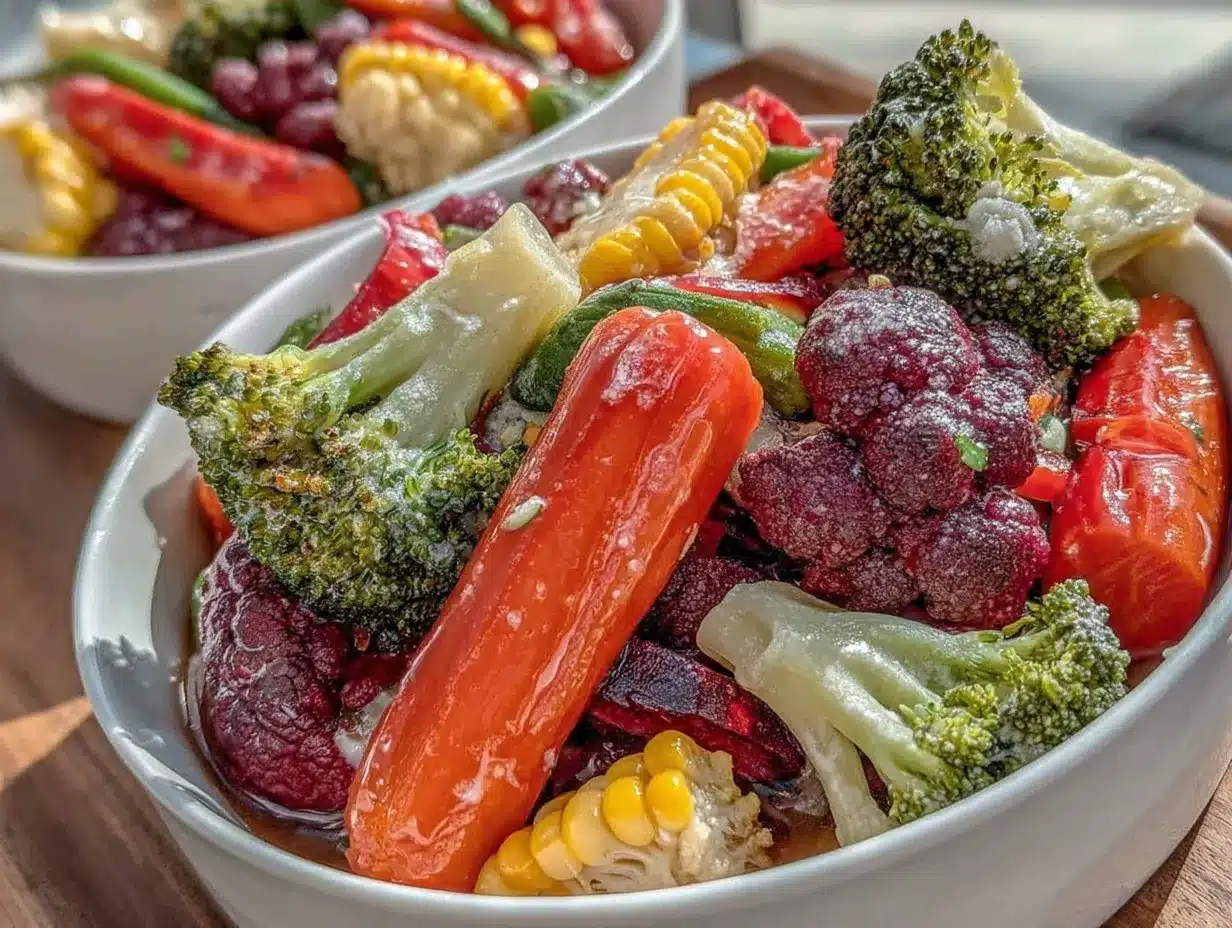
- Prepare Your Vegetables: For veggies like broccoli or cauliflower, thaw in a colander under cold water for 5 minutes and pat dry thoroughly with paper towels to avoid soggy results. For peas, corn, or stir-fry blends, no thawing is needed; just open the bag and get ready.
- Heat Your Pan: Warm 1 to 2 tablespoons (15-30 ml) of olive or avocado oil over medium heat for about 1 minute until shimmering but not smoking. This will help crisp the veggies slightly without burning.
- Add Aromatics: Sprinkle in ½ teaspoon (2.5 ml) garlic powder and ½ teaspoon (2.5 ml) onion powder, stirring for 20 seconds to release their flavors. If using fresh garlic or shallots, add finely minced and sauté for 30 seconds until fragrant.
- Toss in Frozen Vegetables: Add 12 ounces (340 grams) of your chosen frozen veggies to the pan. Stir well to coat with oil and seasonings. Spread them out in an even layer to allow some surface moisture to evaporate, about 3-4 minutes.
- Sauté and Season: Cook for 7-9 minutes, stirring occasionally to prevent sticking. Add salt (about ½ teaspoon or to taste) and freshly ground black pepper during cooking. Look for edges to soften and develop light browning or crispness.
- Brighten with Acid: Turn off the heat and squeeze in 1 tablespoon (15 ml) fresh lemon juice or a splash of apple cider vinegar. Give everything a final toss to mix flavors.
- Optional Finishing Touches: Stir in chopped fresh herbs or toasted pumpkin seeds for texture and freshness. Serve immediately for best flavor and texture.
Pro tip: If veggies release more water than expected, increase heat slightly or remove the lid (if used) to allow evaporation. Avoid overcrowding the pan for a better sauté result. Sometimes I forget to dry thawed veggies and end up with a soggy mess—lesson learned the hard way!
Cooking Tips & Techniques
To get the most out of your frozen vegetable swaps, here are some insider tips I’ve picked up over countless kitchen trials:
- Don’t Skip the Drying Step: For denser veggies like broccoli or cauliflower, drying frozen veggies before cooking prevents steaming and mushiness.
- Use High Heat Carefully: Medium to medium-high heat works best. Too high and you risk burning the garlic or drying the veggies out.
- Season in Layers: Adding salt in stages helps draw out moisture and intensifies flavor instead of just salting at the end.
- Fresh Acidity Makes a Difference: A squeeze of lemon juice or vinegar at the end balances richness and brightens flavors beautifully.
- Experiment with Spice Mixes: I often mix smoked paprika and red pepper flakes for a smoky, spicy kick that transforms basic frozen veggies.
- Multitask Efficiently: While veggies sauté, I prep other meal components like rice or protein to save time. This keeps dinner moving smoothly.
- Don’t Overcrowd the Pan: Cook in batches if needed to get that desirable slight crispness instead of steaming.
I’ll admit, early on I used to dump frozen veggies straight into a cold pan with oil—big mistake. They’d steam and turn mushy instead of crisping up. Heating the pan first and adding aromatics before veggies changed everything.
Variations & Adaptations
These frozen vegetable swaps are easy to customize depending on your mood, dietary needs, or pantry availability:
- Low-Carb Version: Use frozen cauliflower rice or broccoli florets as a base, seasoned with garlic and lemon for a light side dish.
- Spicy Kick: Add cayenne pepper or a drizzle of hot sauce during cooking for heat lovers.
- Asian-Inspired: Swap olive oil for toasted sesame oil and add a splash of soy sauce or tamari at the end. Frozen stir-fry blends work great here.
- Family-Friendly: Keep seasonings mild with just garlic and a little butter or olive oil for kids who prefer simpler tastes.
- Allergen-Friendly: Skip nuts and seeds for allergies, or substitute with toasted coconut flakes for crunch.
One of my favorite variations is tossing frozen mixed vegetables with curry powder and coconut milk for a quick curry side that’s both comforting and packed with flavor. It’s a nice way to switch things up while still keeping it simple.
Serving & Storage Suggestions
Serve these flavor-packed frozen vegetable swaps warm as a side dish or mix them into grains, pastas, or salads.
- Serving Suggestions: Pair with grilled chicken, baked fish, or toss into quinoa bowls for a balanced meal.
- Storage: Leftovers store well in an airtight container in the refrigerator for up to 3 days.
- Reheating: Reheat gently in a skillet over medium heat to revive crispness; avoid microwaving too long or veggies get soggy.
- Flavor Development: Flavors meld nicely after resting, so sometimes I make these swaps ahead and find the next day tastes even better.
Nutritional Information & Benefits
Frozen vegetables retain most of their nutrients, making these swaps a healthy choice for adding fiber, vitamins, and minerals to any meal.
- Low in calories and fat but high in dietary fiber, which supports digestion.
- Rich in antioxidants like vitamin C and beta-carotene depending on the vegetable variety.
- Using minimal oil keeps the dish light but satisfying.
- Gluten-free and vegan-friendly by default, with easy substitutions for allergens.
Personally, I find these swaps help me eat more veggies on busy days without feeling like I’m sacrificing taste or time. That’s a win in my book!
Conclusion
These easy flavor-packed frozen vegetable swaps prove that quick, healthy meals don’t have to be boring or bland. With just a few smart ingredients and simple techniques, you can transform everyday frozen veggies into vibrant, tasty dishes that fit any occasion. I hope you enjoy experimenting with these swaps and find your own favorite variations that keep your meals exciting and wholesome.
Honestly, this recipe keeps me coming back—not just because it’s convenient, but because it reminds me that good food can be simple. If you try these swaps, I’d love to hear how you make them your own—drop a comment or share your favorite seasoning combos!
Happy cooking, and here’s to turning frozen veggies into your new secret weapon!
FAQs
Can I use any type of frozen vegetable for these swaps?
Yes! Most frozen vegetables work well, but denser ones like broccoli and cauliflower benefit from slight thawing and drying before cooking to avoid sogginess.
Do I need to thaw frozen vegetables before cooking?
It depends on the vegetable. Peas and corn don’t need thawing, but broccoli or cauliflower usually should be thawed and patted dry for best texture.
Can I prepare these vegetable swaps ahead of time?
Absolutely. They store well in the fridge for up to 3 days. Reheat gently in a skillet to keep them from becoming mushy.
Are these swaps suitable for a low-carb diet?
Yes! Using vegetables like cauliflower, broccoli, or green beans keeps the swaps low in carbs and high in fiber.
What’s the best oil to use for sautéing frozen vegetables?
Olive oil or avocado oil works great for flavor and health benefits, but you can also use coconut or sesame oil depending on the flavor profile you want.
Pin This Recipe!
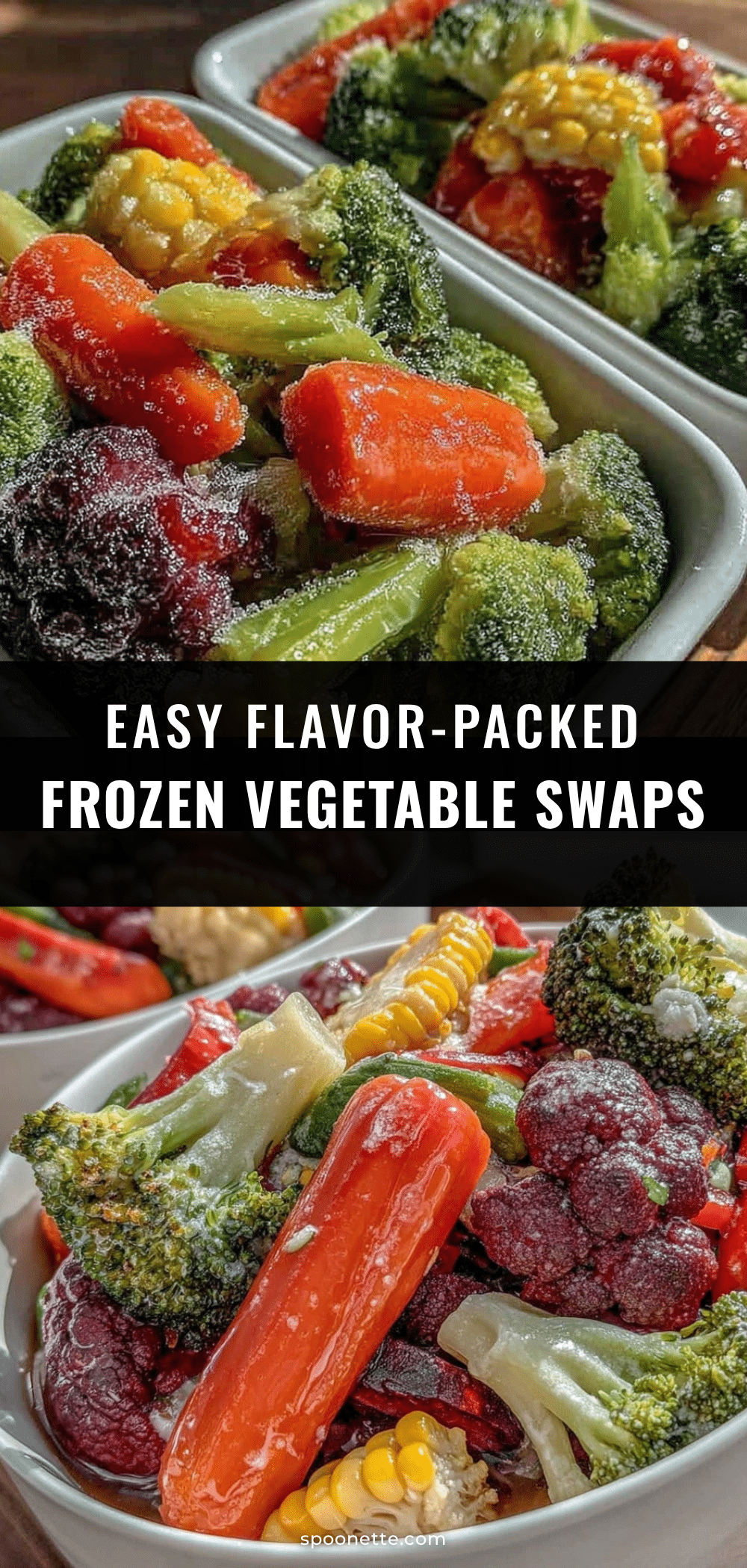
Easy Flavor-Packed Frozen Vegetable Swaps for Healthy Meals
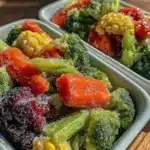
Transform ordinary frozen vegetables into vibrant, tasty dishes with simple seasoning and quick sautéing. Perfect for busy nights and healthy meals with minimal effort.
- Prep Time: 5 minutes
- Cook Time: 15 minutes
- Total Time: 20 minutes
- Yield: 2 servings 1x
- Category: Side Dish
- Cuisine: American
Ingredients
- 12 ounces frozen vegetables (green beans, peas, corn, broccoli florets, or mixed stir-fry blends)
- 1 to 2 tablespoons olive oil or avocado oil
- ½ teaspoon garlic powder or 1 clove fresh garlic, minced
- ½ teaspoon onion powder or 1 tablespoon minced shallots
- ½ teaspoon salt, or to taste
- Black pepper, freshly ground, to taste
- 1 tablespoon fresh lemon juice or a splash of apple cider vinegar
- Optional: red pepper flakes or smoked paprika
- Optional: fresh herbs such as parsley, dill, or basil
- Optional: toasted seeds or nuts like pumpkin seeds or slivered almonds
Instructions
- For broccoli or cauliflower, thaw in a colander under cold water for 5 minutes and pat dry thoroughly with paper towels to avoid soggy results. For peas, corn, or stir-fry blends, no thawing is needed.
- Heat 1 to 2 tablespoons of olive or avocado oil in a 10 to 12-inch nonstick skillet over medium heat for about 1 minute until shimmering but not smoking.
- Sprinkle in ½ teaspoon garlic powder and ½ teaspoon onion powder, stirring for 20 seconds to release their flavors. If using fresh garlic or shallots, add minced and sauté for 30 seconds until fragrant.
- Add 12 ounces of frozen vegetables to the pan. Stir well to coat with oil and seasonings. Spread them out in an even layer to allow some surface moisture to evaporate, about 3-4 minutes.
- Cook for 7-9 minutes, stirring occasionally to prevent sticking. Add salt and freshly ground black pepper during cooking. Look for edges to soften and develop light browning or crispness.
- Turn off the heat and squeeze in 1 tablespoon fresh lemon juice or a splash of apple cider vinegar. Toss to mix flavors.
- Optional: Stir in chopped fresh herbs or toasted pumpkin seeds for texture and freshness. Serve immediately.
Notes
Dry thawed broccoli or cauliflower thoroughly to avoid sogginess. Use medium heat to prevent burning garlic. Avoid overcrowding the pan for better crispness. Flavors improve if made ahead and rested. Variations include using coconut oil, adding soy sauce for umami, or spices like smoked paprika and red pepper flakes for heat.
Nutrition
- Serving Size: About 1 cup per serv
- Calories: 90
- Sugar: 2
- Sodium: 230
- Fat: 7
- Saturated Fat: 1
- Carbohydrates: 7
- Fiber: 3
- Protein: 2
Keywords: frozen vegetables, healthy meals, quick side dish, sautéed veggies, easy vegetable swaps, low-carb, vegan, gluten-free