Perfect Food Safety Guide 2024: What Temperature Should My Fridge Be for Best Results
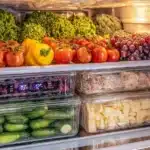
This guide explains the ideal fridge temperature for food safety, helping you keep your food fresh, prevent spoilage, and avoid foodborne illness.
- Prep Time: 5 minutes
- Cook Time: 24 hours (waiting for temperature stabilization)
- Total Time: 24 hours 5 minutes
- Yield: N/A
- Category: Food Safety Guide
- Cuisine: General
Ingredients
- Thermometer (recommended: Taylor Precision fridge thermometer)
- Fridge temperature dial
- Clean fridge
- Good seal on fridge door
- Proper food storage containers (airtight)
- Power source (consistent electricity)
- Optional: Humidity-controlled drawers
- Optional: Fridge light
Instructions
- Locate your fridge’s temperature dial, usually behind the top shelf or on the side wall, numbered 1 (warmest) to 7 (coldest) or marked cold to coldest.
- Place the thermometer in the middle of the fridge, away from the door or walls to get an accurate average temperature.
- Wait 24 hours to let the fridge stabilize at its current setting; avoid opening the door frequently during this time.
- Check the thermometer reading; the ideal fridge temperature is between 35°F and 38°F (1.7°C to 3.3°C).
- If the temperature is higher than ideal, turn the dial colder; if lower, turn it warmer. Make small adjustments and wait another 24 hours before rechecking.
- Repeat the adjustment and monitoring process until the thermometer consistently reads within the safe range.
- Maintain regular checks weekly and after power outages or heavy grocery stocking; keep a log to track changes.
- Organize your food by storing raw meat on the lowest shelf, dairy in the colder middle shelves, and fruits and vegetables in designated drawers to maintain consistent temperature zones and food safety.
- Clean door seals monthly to prevent leaks and ensure proper cooling.
- Avoid overcrowding the fridge to allow proper air circulation.
- Minimize door opening frequency to prevent temperature fluctuations.
- Use clear containers and label leftovers with dates to avoid guessing food safety.
- Keep raw and cooked foods separate to prevent cross-contamination.
- Wipe spills immediately and deep clean the fridge monthly.
Notes
Avoid setting fridge temperature below 32°F (0°C) to prevent freezing some foods. Check temperature weekly and after power outages. Keep fridge clean and organized to maintain consistent temperatures. Use airtight containers and label leftovers. Avoid overcrowding and frequent door opening.
Nutrition
- Serving Size: N/A
Keywords: fridge temperature, food safety, refrigerator settings, prevent food spoilage, fridge thermometer, food storage, kitchen tips