Love this? Save it for later!
Share the inspiration with your friends
“I never thought doubling a recipe could turn into such a circus,” my friend Mark confessed last summer while we were prepping for a backyard barbecue. Honestly, I’d been there too—trying to stretch a family favorite for a crowd, only to end up with a kitchen disaster and a half-burned casserole. It was a chaotic evening of spilled sauces, mismatched measurements, and an oven that seemed to hate me. But that night, between the chaos and laughter, I realized doubling recipes doesn’t have to be a nightmare.
Maybe you’ve been there, too—wondering how to make twice the amount without turning your kitchen into a war zone. You know the feeling when you want to feed more people or prep meals ahead, but the math and logistics feel overwhelming. Well, let me tell you, mastering recipe doubling is less about complicated formulas and more about simple tricks and a bit of planning.
This easy guide to perfect recipe doubling without the mess came from personal trial and error, a few helpful kitchen hacks, and some late-night Googling. The goal? To make doubling recipes as smooth as possible—no stress, no wasted ingredients, and definitely no last-minute scrambling. Whether you’re hosting a family feast, meal prepping for the week, or just want to avoid cooking twice, these tips will have you doubling dishes like a pro in no time.
Why You’ll Love This Recipe Doubling Guide
Over the years, I’ve tested countless recipes by doubling them, and let me say, it’s a game changer when done right. Here’s why this guide stands out:
- Quick & Easy: These tips help you double recipes efficiently, saving you both time and kitchen stress.
- Simple Ingredients: No need for fancy tools or obscure items—just smart adjustments with what you already have.
- Perfect for Any Occasion: Whether it’s a casual potluck or holiday gathering, doubling recipes means you’re ready for any crowd.
- Crowd-Pleaser: The techniques ensure your bigger batches taste just as amazing as your single servings.
- Unbelievably Delicious: Maintaining flavor balance and texture is key—and these tips keep everything tasting spot on.
What makes this guide different? It’s not just about multiplying ingredient amounts. I share practical hacks like adjusting seasoning, timing, and even cookware choices to avoid the common pitfalls that trip most home cooks up. Honestly, after following these steps, you’ll find yourself less intimidated and more excited to serve bigger portions without the usual mess.
This isn’t just another cooking tip—it’s a little kitchen secret that gives you confidence. You might even find doubling recipes becomes your new favorite way to cook!
What Ingredients You Will Need
This guide focuses on common ingredients you’ll find in most recipes, with a few notes on how to handle doubling them without trouble. The idea is to keep things simple and straightforward.
- Dry Ingredients: Flour, sugar, salt, baking powder, spices, herbs
- Wet Ingredients: Milk, water, broth, oils, vinegar
- Proteins: Chicken, beef, tofu, beans
- Vegetables: Fresh, frozen, or canned
- Flavor Enhancers: Garlic, onion, sauces, condiments
When doubling, it’s crucial to measure ingredients accurately—using a kitchen scale can be a lifesaver for dry goods like flour or sugar. For example, if a recipe calls for 1 cup (120g) flour, doubling means 2 cups (240g). But keep in mind, some seasonings like salt or spices might not need a straight double to avoid overpowering the dish.
For fresh herbs or delicate ingredients, start by adding 1.5 times the amount, then adjust to taste. This prevents the dish from becoming too intense.
In terms of brands, I prefer trusted labels like King Arthur for flour or Bob’s Red Mill for baking powders because of their consistency. But honestly, any quality pantry staple will work just fine.
Substitutions for dietary needs? No problem. For gluten-free doubling, swap regular flour with almond or oat flour—but keep in mind the texture might shift slightly. For dairy-free options, use coconut or almond milk in place of cow’s milk, doubling amounts equally.
Equipment Needed
Doubling recipes usually means working with larger quantities, so having the right tools helps a ton. Here’s what you’ll want on hand:
- Larger Mixing Bowls: At least one bowl twice the size of your usual one. I’ve learned the hard way that a bowl that’s too small leads to spills and extra mess.
- Measuring Cups and Spoons: Accurate measurements matter more than ever. A digital kitchen scale can really simplify dry ingredient measurement.
- Baking Pans or Cookware: Consider upgrading to bigger pans or multiple smaller pans to avoid overcrowding. For instance, doubling a cake recipe might mean two 8-inch pans instead of one 9-inch pan.
- Mixing Tools: A sturdy wooden spoon or electric mixer helps handle thicker, larger batters.
- Storage Containers: For leftovers or prepped meals, airtight containers sized for larger portions come in handy.
Don’t worry if you don’t have all the specialized equipment—improvising with what’s available works fine too. For example, I once used two medium bowls stacked carefully for mixing when I lacked a large one. Just keep in mind, doubling recipes often means more cleanup, so having dishwasher-safe gear saves time.
Preparation Method
- Read the Original Recipe Thoroughly: Before doubling, understand every step, especially cooking times and temperatures. Sometimes these need tweaking for larger quantities.
- Calculate Ingredient Amounts: Double all the ingredients, but remember some seasonings might require less than double. For example, start with 1.5 times the salt and taste as you go.
- Use Larger or Multiple Pans: Avoid crowding ingredients in one pan. If you’re baking, use two pans instead of cramming into one—this ensures even cooking.
- Adjust Cooking Time and Temperature: Bigger batches may take longer to cook. Lower the oven temperature by 25°F (about 15°C) and increase cooking time slightly, checking for doneness early.
- Mix Ingredients in Batches if Needed: For mixing very thick doughs or batters, consider mixing half the batch first to avoid overworking your mixer.
- Manage Seasoning and Taste: After mixing, taste your batter or sauce if possible. Adjust herbs, spices, or salt as needed before cooking.
- Prepare Storage Ahead: If you plan to freeze or refrigerate, have containers ready to portion out the doubled recipe efficiently.
- Keep Your Workspace Clean: Doubling means more mess—so clean as you go to avoid a mountain of dishes at the end.
One time, I forgot to adjust my oven temperature when doubling a casserole, and the edges burned while the center was still raw. Lesson learned: patience is key when cooking bigger portions.
Cooking Tips & Techniques
Doubling recipes isn’t just about math; it’s about technique. Here are some tips I swear by:
- Start with Accurate Measurements: Using a kitchen scale saves guesswork and prevents ingredient overload.
- Don’t Overcrowd Cookware: Crowding leads to uneven cooking and soggy textures—split your batch if necessary.
- Adjust Cooking Times Thoughtfully: Larger volumes take longer to heat through—use a thermometer if you can.
- Season Gradually: It’s easier to add more salt or spice than to fix an over-seasoned dish.
- Mix Ingredients Thoroughly: Ensure even distribution of ingredients—this prevents pockets of flavor or texture inconsistency.
- Be Patient: Rushing doubled recipes often leads to undercooked centers or burnt edges.
- Use Quality Ingredients: They shine through more in larger batches.
Once, I tried doubling a sauce without stirring enough and ended up with lumps and uneven flavor. Lesson learned: slow, steady mixing is your friend.
Variations & Adaptations
Doubling recipes opens a world of possibilities. Here are a few ways to tailor the method:
- Dietary: Substitute regular flour with gluten-free blends or use plant-based milks to accommodate allergies.
- Seasonal: Swap fresh vegetables or fruits for seasonal favorites—doubling fresh summer berries instead of frozen in desserts works beautifully.
- Flavor: Add a pinch of smoked paprika or fresh herbs to give the doubled recipe a new twist.
- Cooking Method: For stovetop dishes, try using a larger pot or split the batch between two pans to maintain heat control.
- Personal Experience: I once doubled my favorite chili recipe but added an extra can of beans plus a dash of cinnamon—unexpected, but it worked wonders.
Serving & Storage Suggestions
Proper serving and storage help keep your doubled dishes fresh and delicious. Here’s what I recommend:
- Serving Temperature: Most doubled recipes taste best served fresh and warm. For dishes like casseroles or stews, let rest 5-10 minutes before serving.
- Presentation: Use larger platters or multiple dishes to avoid overcrowding the table.
- Storage: Store leftovers in airtight containers in the fridge for up to 3-4 days. For longer storage, freeze in portions with airtight lids or freezer bags.
- Reheating: Reheat gently on the stove or in the oven to maintain texture. Avoid microwaving large portions as it can cook unevenly.
- Flavor Development: Some dishes like soups and stews improve in flavor after a day or two, so doubled recipes can be great for make-ahead meals.
Nutritional Information & Benefits
Doubling recipes doesn’t change their nutrition per serving, but it’s good to keep portion sizes in mind. Here’s a general overview:
- Calories: Approximately doubled total calories—but per serving, it stays consistent.
- Protein, Carbs, and Fats: Scales up linearly with ingredient amounts.
- Health Benefits: Using fresh, whole ingredients in larger batches supports balanced nutrition and meal planning.
- Dietary Considerations: Easily adaptable for gluten-free, vegan, or low-carb diets by swapping ingredients as needed.
- Allergens: Keep track of common allergens like nuts, dairy, or gluten when doubling recipes for guests.
Personally, doubling recipes helps me control portion sizes better and avoid last-minute processed food grabs during busy weeks.
Conclusion
Mastering recipe doubling can truly transform your cooking routine—from feeding a crowd to meal prepping with ease. The key is thoughtful planning, careful measuring, and a bit of patience. I hope this easy guide to perfect recipe doubling without the mess gives you the confidence to cook bigger batches without fear.
Feel free to tweak the tips to match your kitchen style and preferences. And hey, if you have your own doubling tricks or stories, I’d love to hear them—drop a comment below or share how these tips worked for you!
Happy cooking, and remember: bigger isn’t always harder, especially when you’ve got the right approach.
FAQs
How do I adjust cooking time when doubling a recipe?
Generally, lower your oven temperature by about 25°F (15°C) and increase cooking time by 10-20%. Always check for doneness early to avoid overcooking.
Can I double all recipes without changing anything?
Most recipes can be doubled, but some delicate dishes (like soufflés) may require special attention. Also, seasonings often need less than double to avoid overpowering flavors.
What’s the best way to measure ingredients when doubling?
A kitchen scale is ideal for accuracy, especially for dry ingredients like flour or sugar. Measuring cups work too, but be precise.
How do I prevent overcrowding pans when doubling recipes?
Use larger pans or split the recipe between two smaller pans. Overcrowding causes uneven cooking and soggy textures.
Can I freeze doubled recipes?
Absolutely! Portion leftovers into airtight containers or freezer bags. Most dishes freeze well and reheat nicely for future meals.
Pin This Recipe!
Recipe Doubling Made Easy: 5 Tips for Perfect Results Every Time
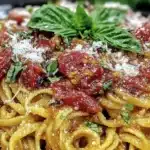
A practical guide to doubling recipes efficiently and successfully, with tips on ingredient adjustments, cooking times, and equipment to avoid common pitfalls.
- Prep Time: 15 minutes
- Cook Time: Varies (increase original cooking time by 10-20%)
- Total Time: Varies (original total time plus 10-20%)
- Yield: Varies (double the original recipe yield)
- Category: Cooking Tips / Guide
- Cuisine: General / All cuisines
Ingredients
- Flour
- Sugar
- Salt
- Baking powder
- Spices
- Herbs
- Milk
- Water
- Broth
- Oils
- Vinegar
- Chicken
- Beef
- Tofu
- Beans
- Fresh, frozen, or canned vegetables
- Garlic
- Onion
- Sauces
- Condiments
Instructions
- Read the original recipe thoroughly, paying attention to cooking times and temperatures.
- Calculate ingredient amounts by doubling, but reduce some seasonings to 1.5 times to avoid overpowering flavors.
- Use larger or multiple pans to avoid overcrowding and ensure even cooking.
- Adjust cooking time and temperature by lowering oven temperature by 25°F and increasing cooking time slightly, checking for doneness early.
- Mix ingredients in batches if needed to avoid overworking mixers or tools.
- Manage seasoning and taste after mixing, adjusting herbs, spices, or salt as needed.
- Prepare storage containers ahead for leftovers or freezing.
- Keep your workspace clean to manage the increased mess from doubling.
Notes
Use a kitchen scale for accurate measurements, especially for dry ingredients. Adjust seasoning gradually to avoid overpowering. Avoid overcrowding pans by using larger or multiple pans. Lower oven temperature by 25°F and increase cooking time by 10-20% when doubling baked dishes. Mix ingredients thoroughly and be patient to avoid undercooked centers or burnt edges. Store leftovers in airtight containers and reheat gently to maintain texture.
Nutrition
- Serving Size: Same as original rec
Keywords: recipe doubling, cooking tips, ingredient adjustments, meal prep, kitchen hacks, cooking for crowd, doubling recipes