Ultimate Leftover Food Storage Guide: 10 Easy Tips for Fresh Tasty Meals
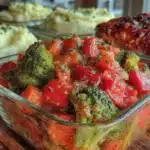
A comprehensive guide to storing, reheating, and repurposing leftovers to keep meals fresh, tasty, and reduce food waste.
- Prep Time: 10 minutes
- Cook Time: 0 minutes
- Total Time: 10 minutes
- Yield: Varies depending on leftovers
- Category: Food Storage Guide
- Cuisine: Universal
Ingredients
- Food Storage Containers (BPA-free plastic or glass with airtight lids)
- Plastic Wrap
- Aluminum Foil
- Freezer Bags (heavy-duty, zip-top)
- Labels & Markers (waterproof labels or masking tape with permanent marker)
- Paper Towels
- Wax Paper
- Vacuum Sealer (optional)
- Ice Packs or Cool Bags
Instructions
- Cool hot dishes to room temperature (about 30-60 minutes) before storing in the fridge.
- Divide large batches into smaller portions for easier reheating.
- Use airtight containers or freezer bags; glass jars with screw-on lids work well for liquids.
- Label each container with contents and date to avoid confusion.
- Organize the fridge by storing raw ingredients on bottom shelves and cooked leftovers on higher shelves.
- Wrap leafy greens or herbs in paper towels before storing to absorb moisture.
- Freeze leftovers you won’t use within 3-4 days, pressing out air before sealing freezer bags.
- Reheat leftovers to an internal temperature of 165°F (74°C), stirring soups and casseroles halfway through.
- Keep leftovers separate from raw foods to avoid cross-contamination.
- Practice FIFO (First In, First Out) to use older leftovers before newer ones.
Notes
Cool food before storing to prevent bacterial growth. Label containers with dates and contents. Use airtight containers to maintain freshness. Reheat only the portion you plan to eat to avoid drying out leftovers. Freeze leftovers you won’t consume within 3-4 days. Use oven or air fryer to reheat fried foods for crispiness. Practice FIFO to minimize waste.
Nutrition
- Serving Size: Varies depending on
Keywords: leftover food storage, food storage tips, reheating leftovers, reduce food waste, meal prep, food safety, leftover storage containers